Hiintern’s nirvana and rebirth - How might we streamline connecting students to tailored internships and employers to potential candidates?

The back story

We’re a U.S.-based company focusing on the internship market, with dev team in China. The product, akin to BOSS Zhipin’s intern version, prioritizes chat-based job hunting over traditional applications.

Which means instead of conventional applications, all interactions are chat-based. Employers manage “applicants” in their chat list, and job seekers check their “application process” within the chat list as well.

The investors were doubtful about the chat-based mode in internship recruiting, we were in a crisis😱!

The problems we faced

The chat-based product strategy failed

The investors highlighted that for intern recruitment in the US, employers prioritize cost over immediate communication.

We knew nothing about the US intern market

The initial work primarily focused on "copy" BOSS Zhipin, with minimal knowledge of similar American market products.

A series of researches were conducted to reverse the situation

I led the most of the researches to help the team know the users, competing products, recruiting process and tools better.

How do students in America start their careers after graduating?

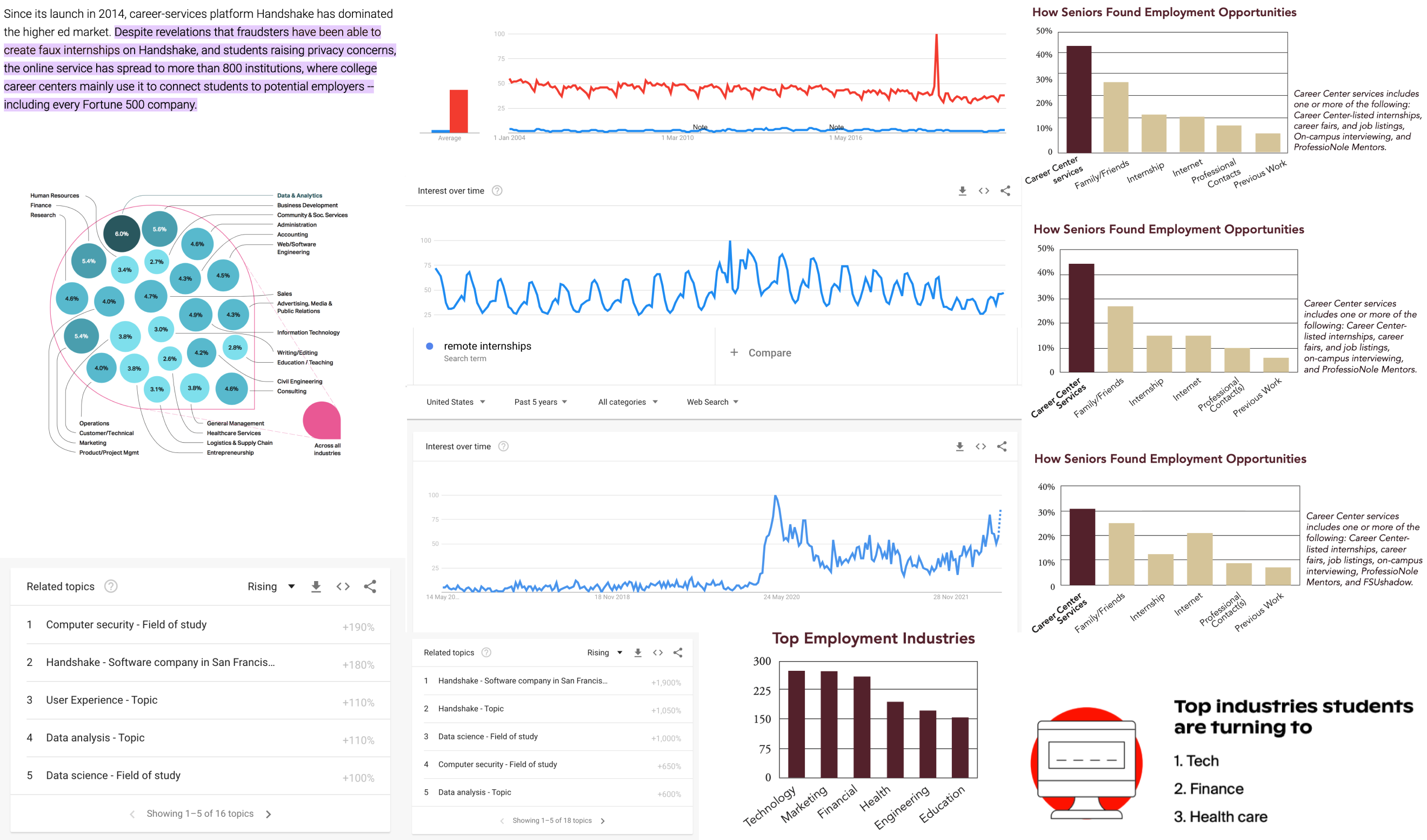
To understand students’ behavior in finding internships and gain a general overview, I accessed various data sources, including Google Trends, University career centers, US Department of Labor data, and market share data

research board
Part of the research board
Key Insights

University Career Centers: Main source for US students’ internship search; platforms like Handshake align well with this trend by partnering with influential universities.

Structured Internship Recruitment: Internship postings follow planned cycles, often appearing months in advance for efficient planning and matching.

Crucial Internship Details: Elements like recruitment cycles, application dates, start dates, duration, grade level, education, major, and GPA are pivotal for internship postings.

Shift to Flexible Work: Post-pandemic, internships embrace hybrid or remote models.

What are some popular job boards in the US?

After gaining a general understanding of how students in the US find internships, I delved into specific job boards catering to the American internship market. During the exploration process, I paid specific attention to the job recommendation feature.

Job BoardJob TypeKey FeaturesJob Match
Chegg Internshipsintern, entry-levelinternship search, skills developmentno
After Collegeintern, entry-levelinternship search, job alertsno
idealistintern, volunteer, entry-levelsocial-impact job search, organization lists, volunteering and eventsno
Monsterall typesjob search, salary toolsyes
ZipRecruiterall typessmart match, salary toolsyes
Wayupintern, entry-levelinternship search, eventsno
indeedall typessmart match, job searchyes
CareerBuilderall typesjob search, salaries & adviceno
SimplyHiredall typesjob search, salary toolsno
LinkedInall typesprofessional network, content postingyes
Handshakeintern, entry-levelsmart match, university integration, fairs and events, networkingyes
Key Insights

Limited Student Focus: Few platforms serve students, traditional boards appear outdated.

Matching Trend: Job boards prioritize tailored matches for job seekers.

User Flow Evolution: Modern boards prioritize preferences, moving beyond traditional resume submission.

LinkedIn Impact: LinkedIn gains student traction for self-promotion and networking.

Handshake Dominance: Handshake’s collaboration with career centers boosts US campus recruiting.

How recruiters post jobs in the US?

Over 98.8% of Fortune 500 companies use ATS, while 66% of large companies and 35% of small organizations in US rely on them.

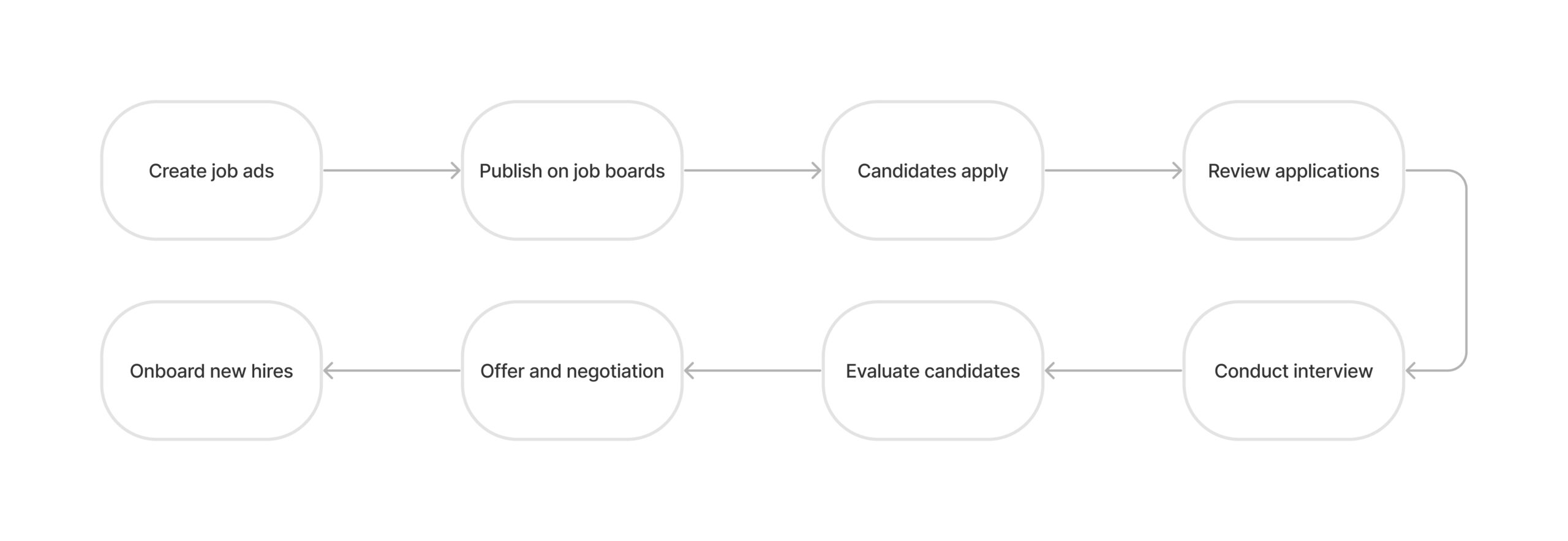
I explored ATS platforms like Greenhouse, Lever, Recruitee, Workable, Workday, icims, SmartRecruiters, and Trakstar. This approach provided insights into these platforms’ functionalities and workflows.

General ATS workflow
Key Insights

ATS Vital: For medium to large-sized firms, ATS central for posting and managing applications.

Crucial Roles: ATS integral for campus hiring and internships, starting postings.

Job Board Linking: ATS shares postings on multiple boards, directs to portal.

Adaptable Workflows: ATS fits firm’s recruitment, improves candidate handling.

Enhanced Tools: ATS boosts efficiency with resume screening and more.

The pain points synthesis vs opportunities identification

For students

Pain points
Opportunities
Limited Options

Few platforms for internships; mixed with unrelated job listings.

Create a dedicated platform specifically for internships.

Partner with companies to ensure a steady stream of relevant internship opportunities.

Info Overload

Traditional boards overwhelm with irrelevant details.

Design a streamlined and intuitive interface with only essential information.

Implement customizable preferences settings that allow users to specify their preferences.

Impersonal Posts

Generic listings don’t match individual preferences.

Utilize user profiling and machine learning to increase the relevance of listings.

Networking Hard

Lack of direct communication with employers.

Facilitate direct communication between candidates and employers by incorporating messaging or chat features within the platform.

For employers

Pain points
Opportunities
High Costs

High recruitment expenses for interns’ interviews and relocations.

Offer virtual interview solutions to reduce the need for in-person interviews.

Transition Hesitation

Reluctance to move from familiar ATS to various boards.

Develop a seamless integration process.

Provide comprehensive support to help employers navigate the transition process smoothly.

Matching Complexities

Struggle to find candidates meeting specific criteria.

Implement advanced techniques to analyze candidate profiles and job requirements.

Provide data-driven insights and recommendations.

Communication Gap

Limited direct interaction with potential interns.

Introduce features such as live chat or video conferencing capabilities.

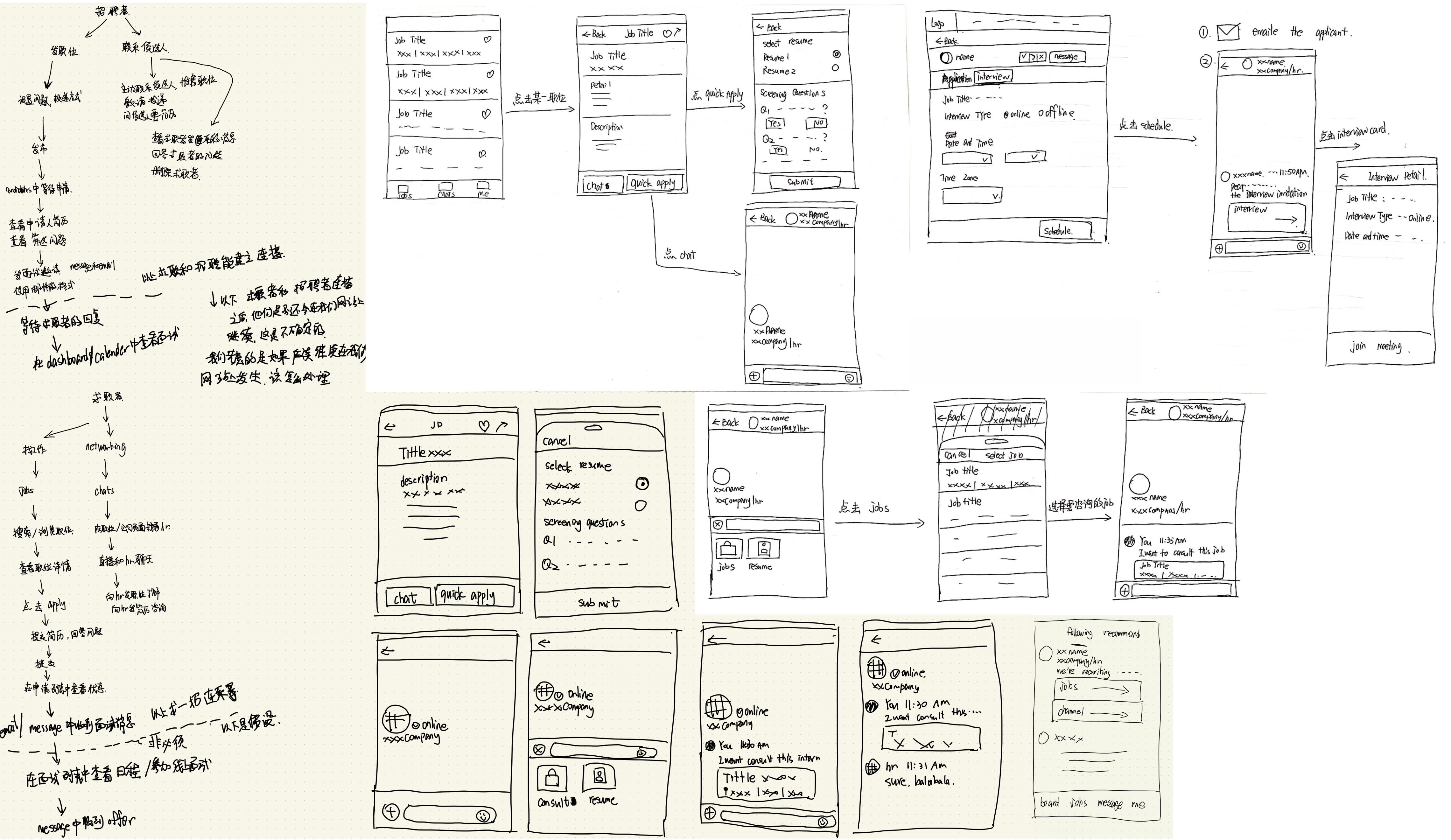
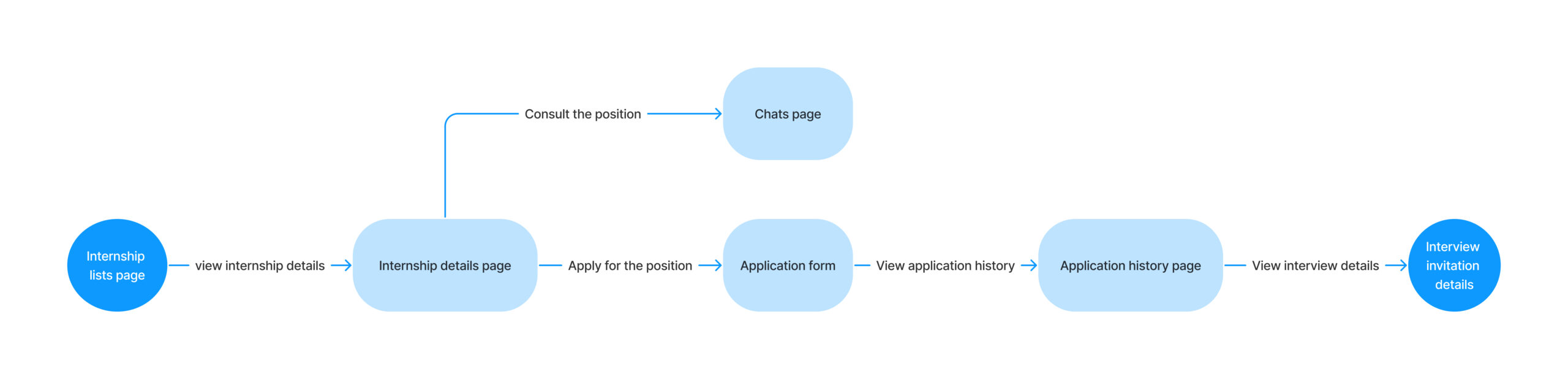
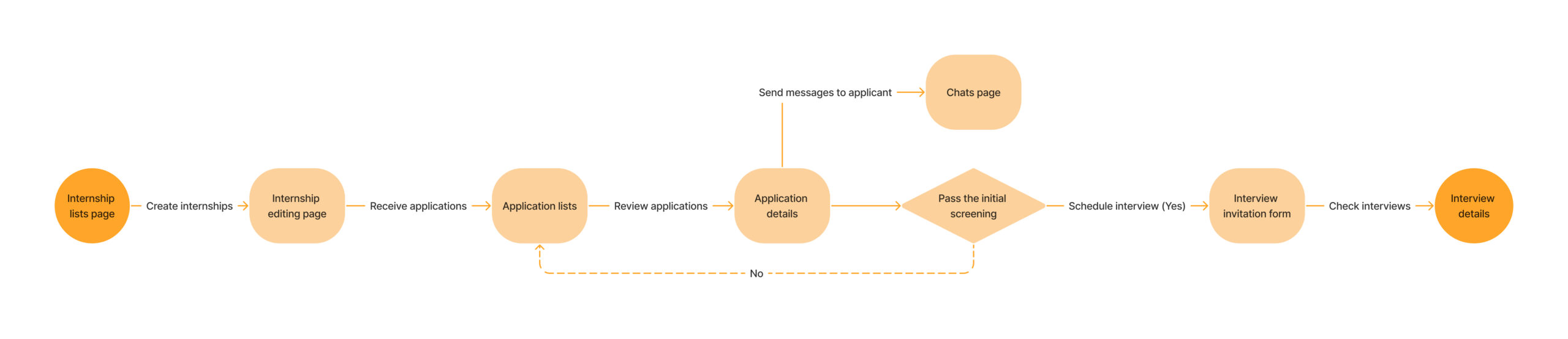
The core user flows of applying for internships and handling applications

Internship application flow (students side)
Internship posting & application reviewing flow (employers side)

Design in agile development

We changed our development mode to agile, as well as our design approach, since we didn’t have a standardized development/design work flow before.

In a meticulous process across 11 versions, I addressed over 700 critiques.

record
Some design review documents

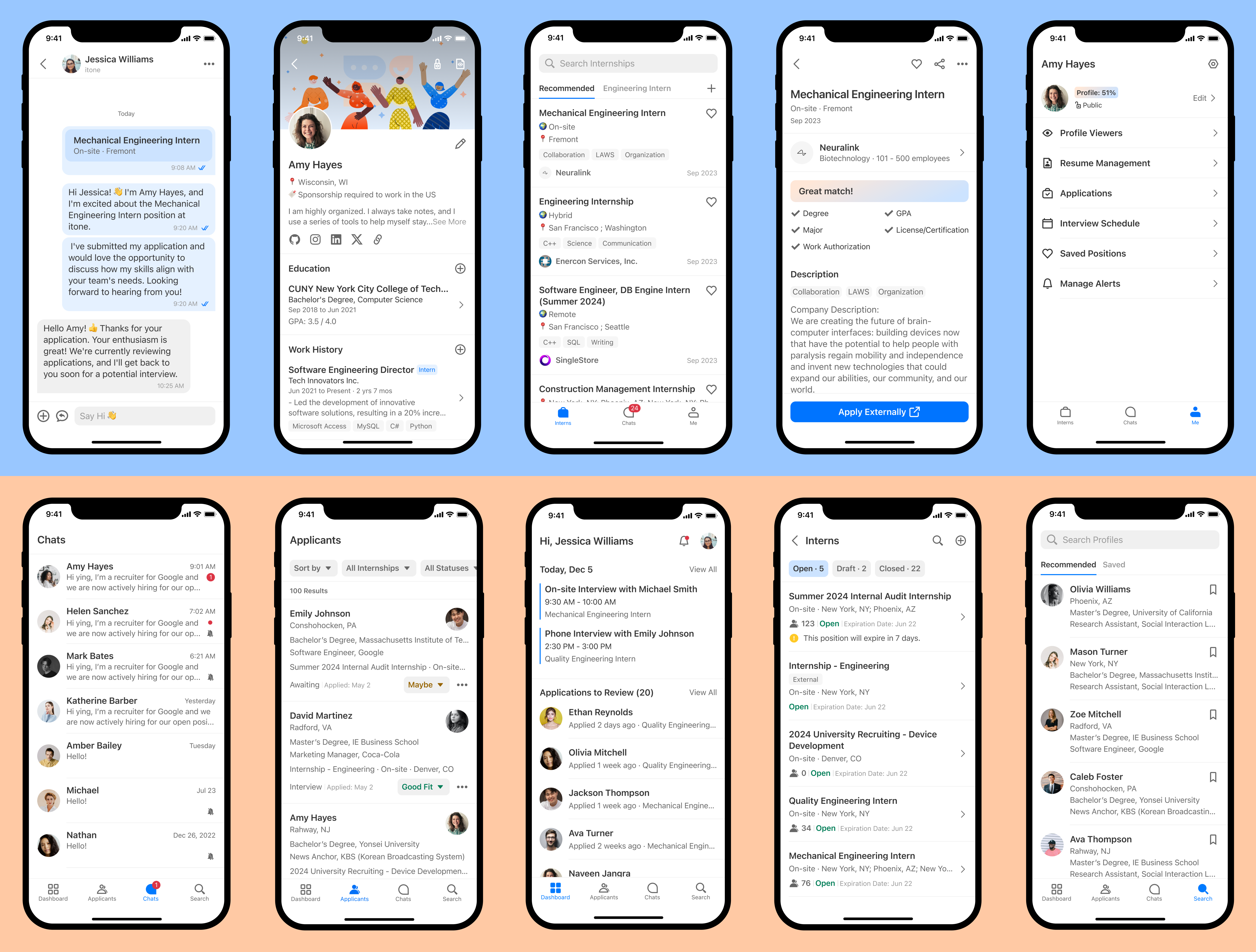
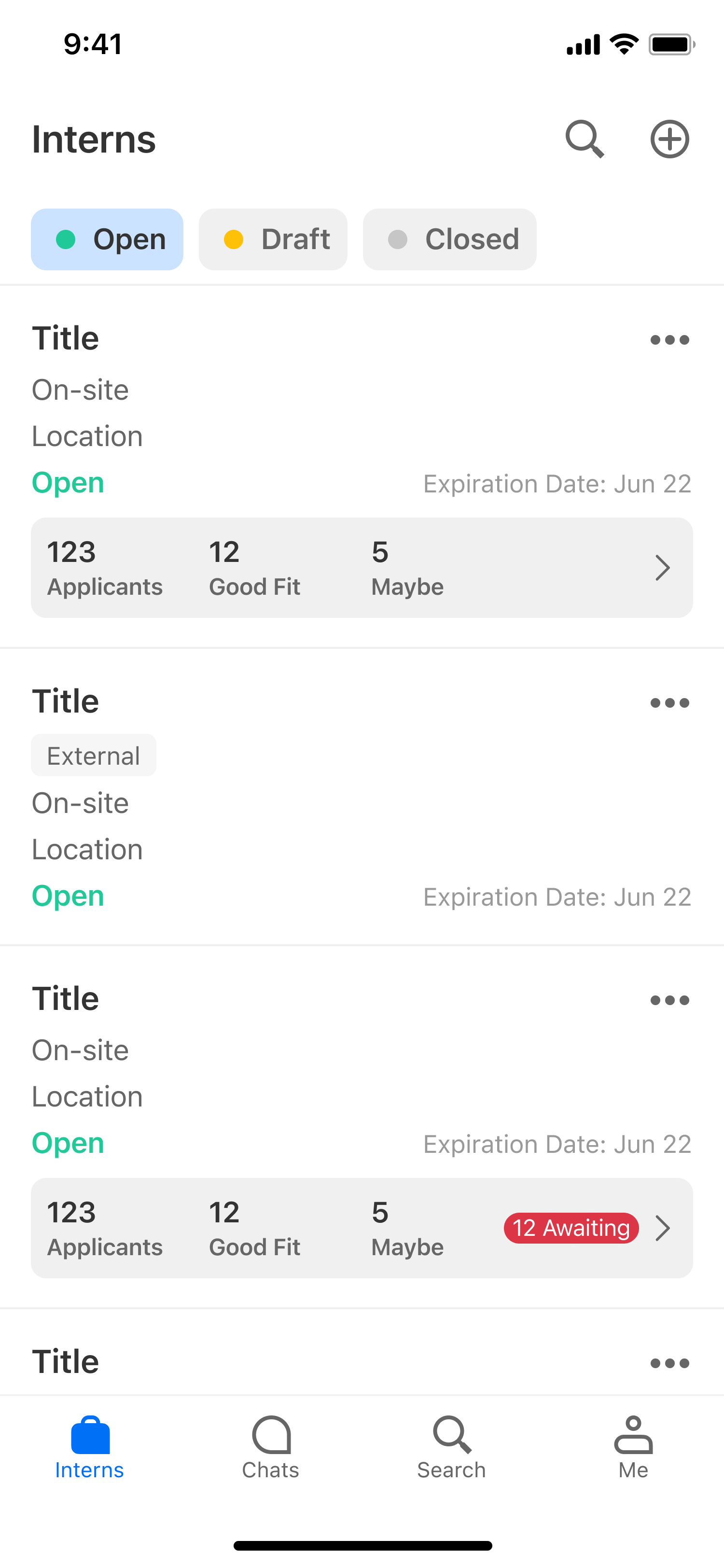
Iterations for main screens

Throughout the agile development process, continuous refinement drove our design iterations. After each review, we diligently fine-tuned our main screens, embracing feedback and insights.

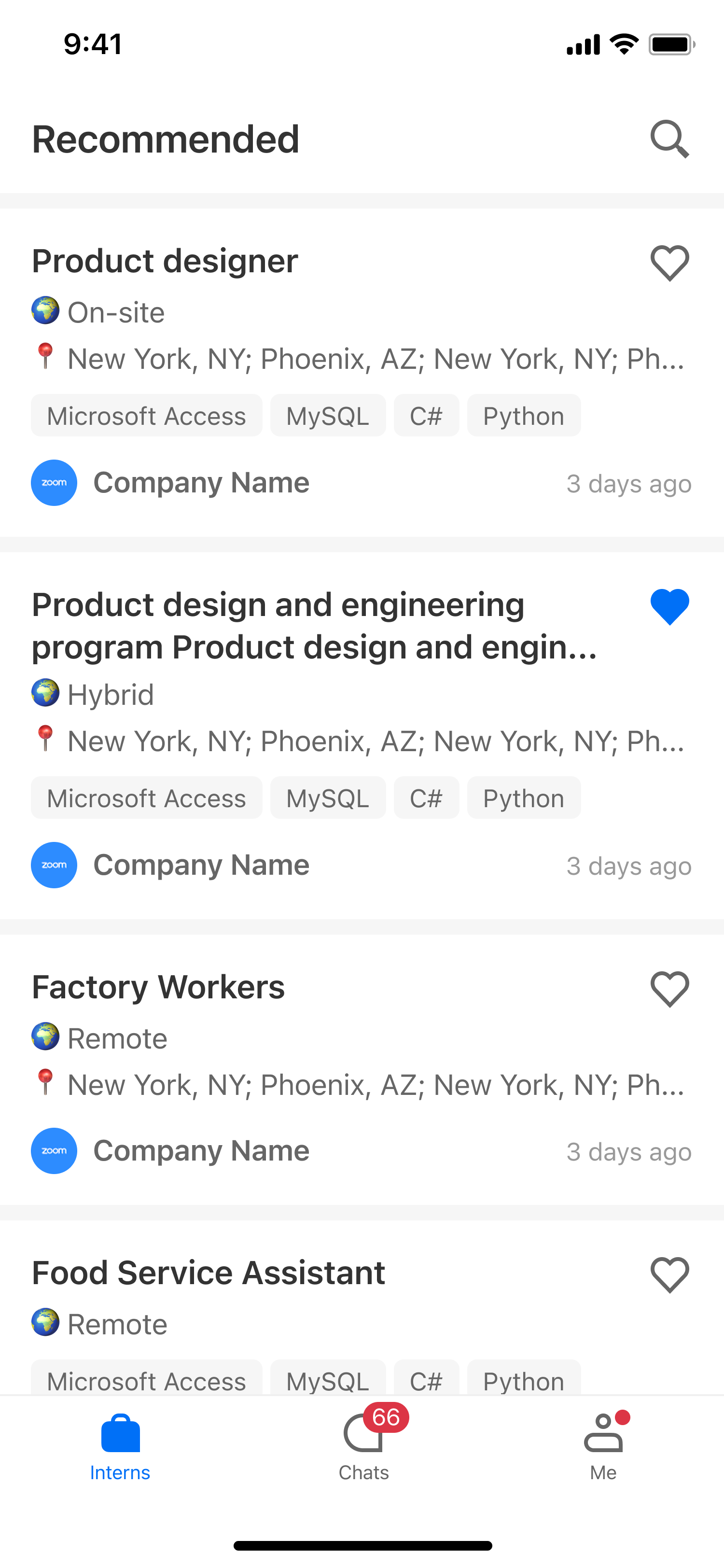
Students side - Homepage

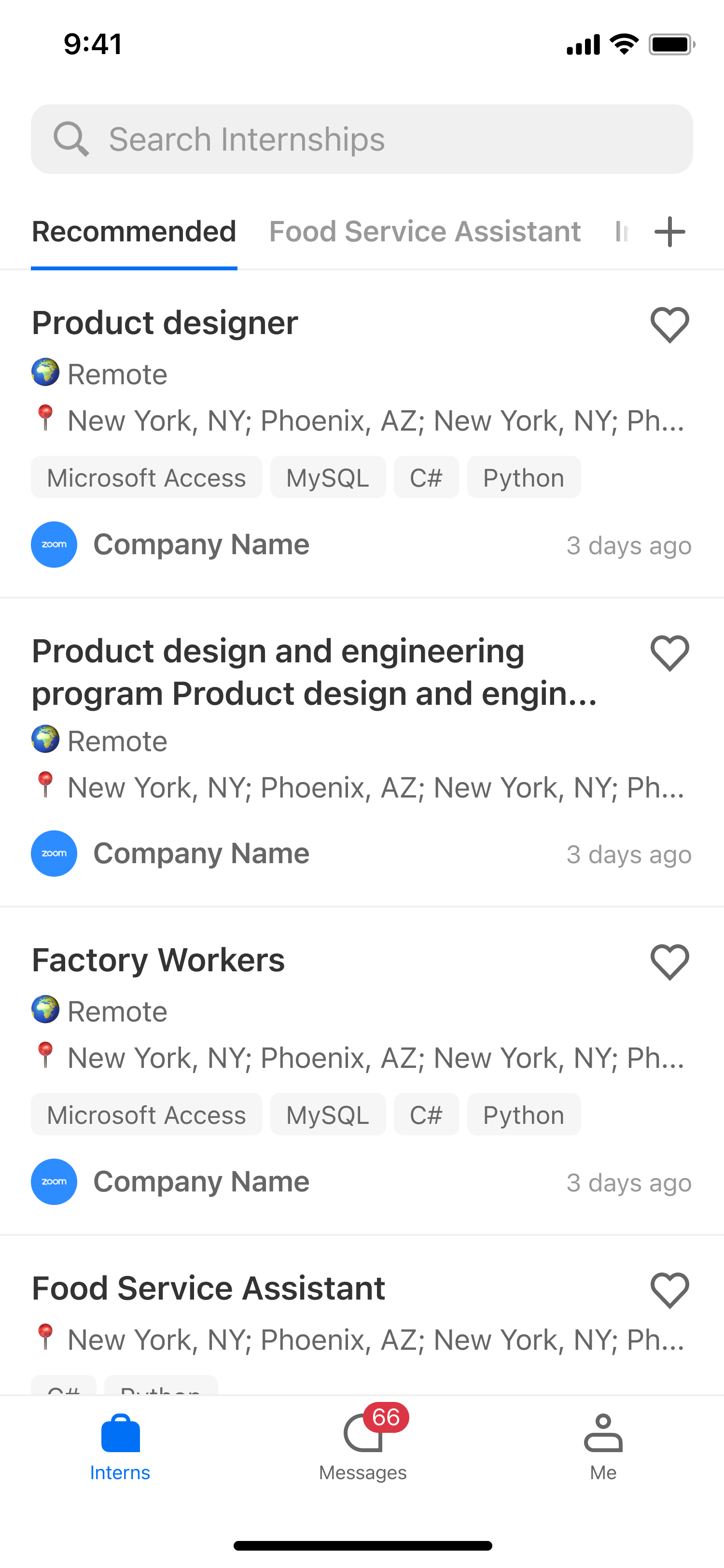
There are 25,000+ internship opportunities on Hiintern. I replaced the search icon with a search box to indicate the vast resources students can access through searching.

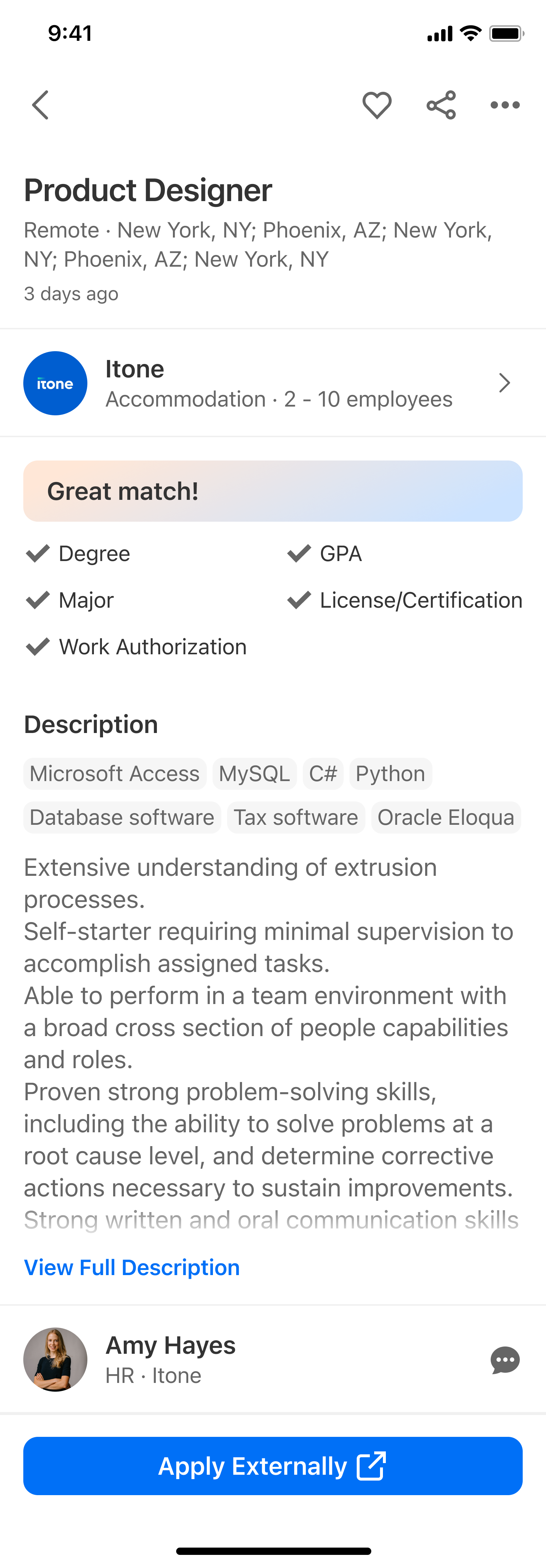
Students side - Job details page

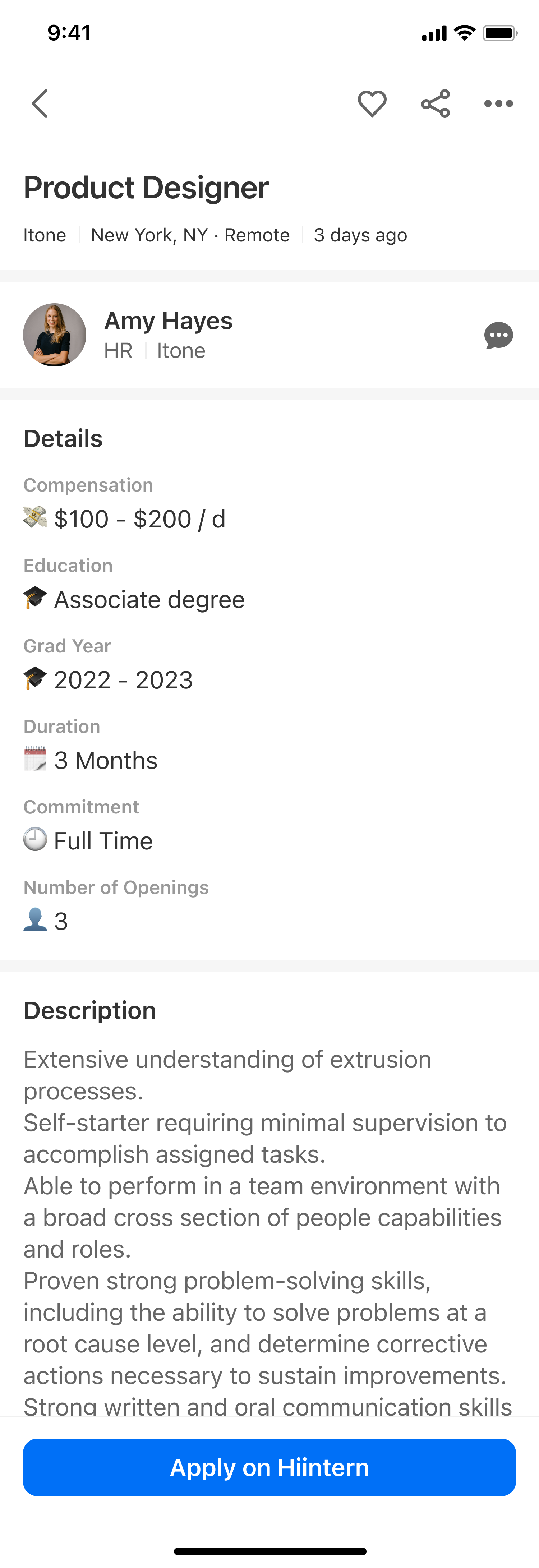
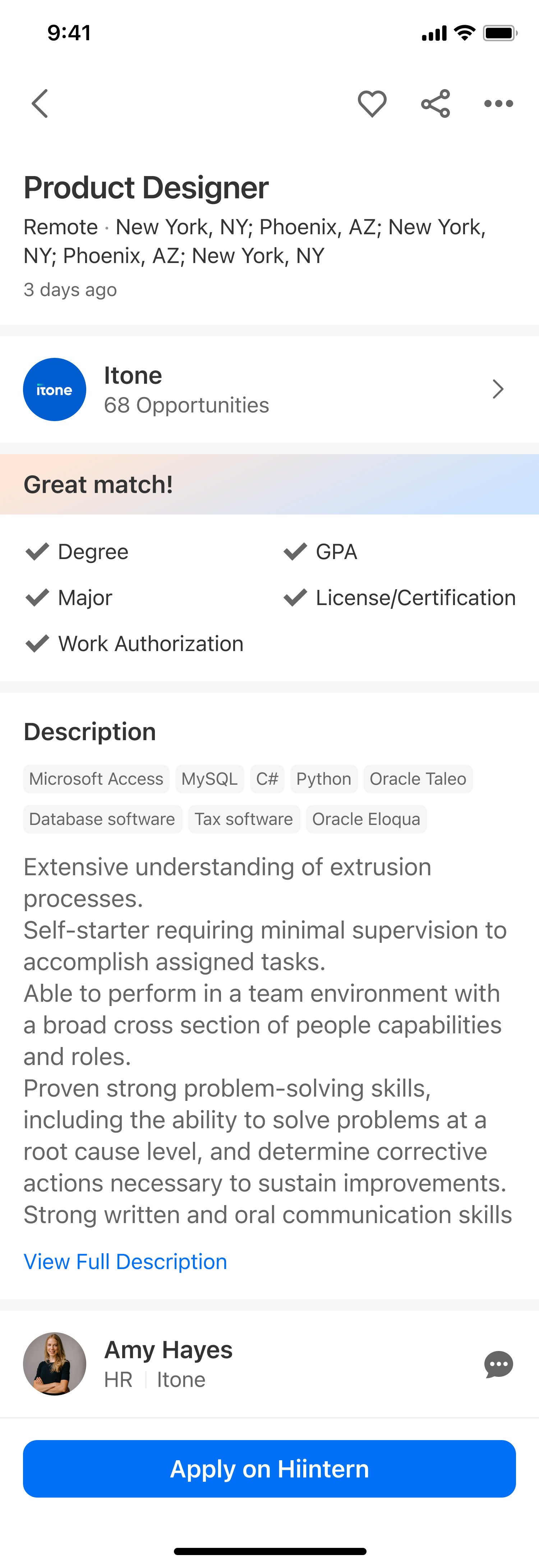
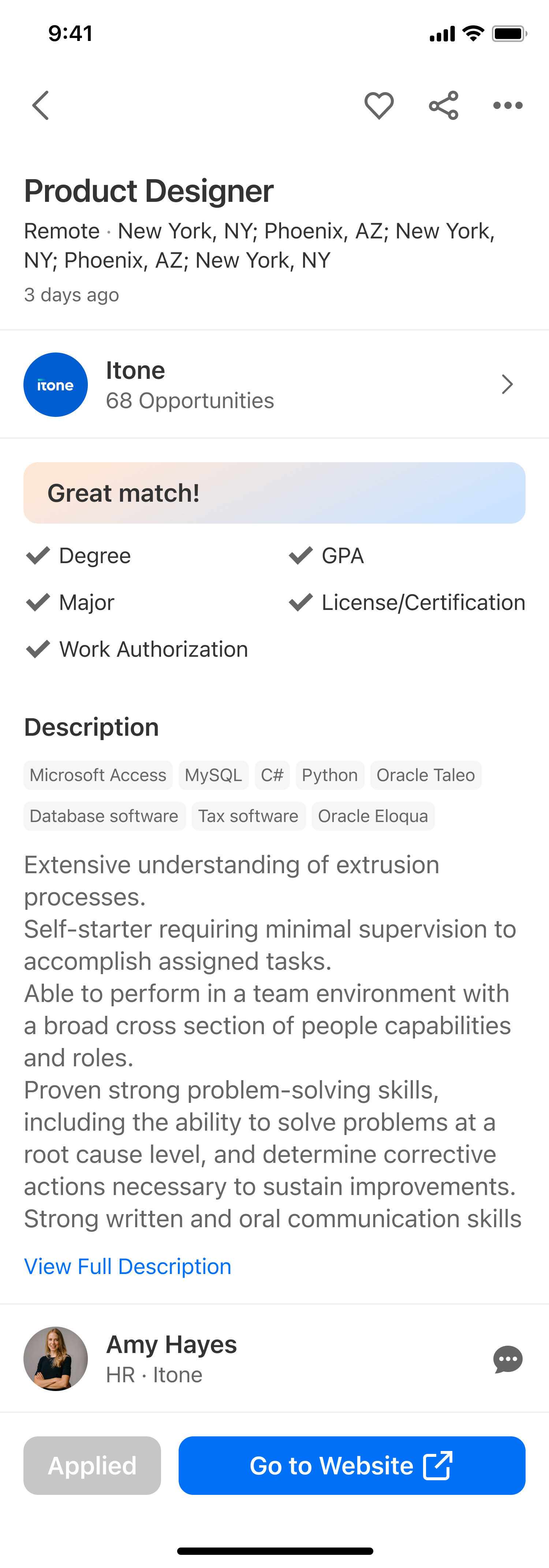
Through the iterative process, we found a balance between user needs, behaviors, and development feasibility, resulting in the stable job details page in version 2.5.

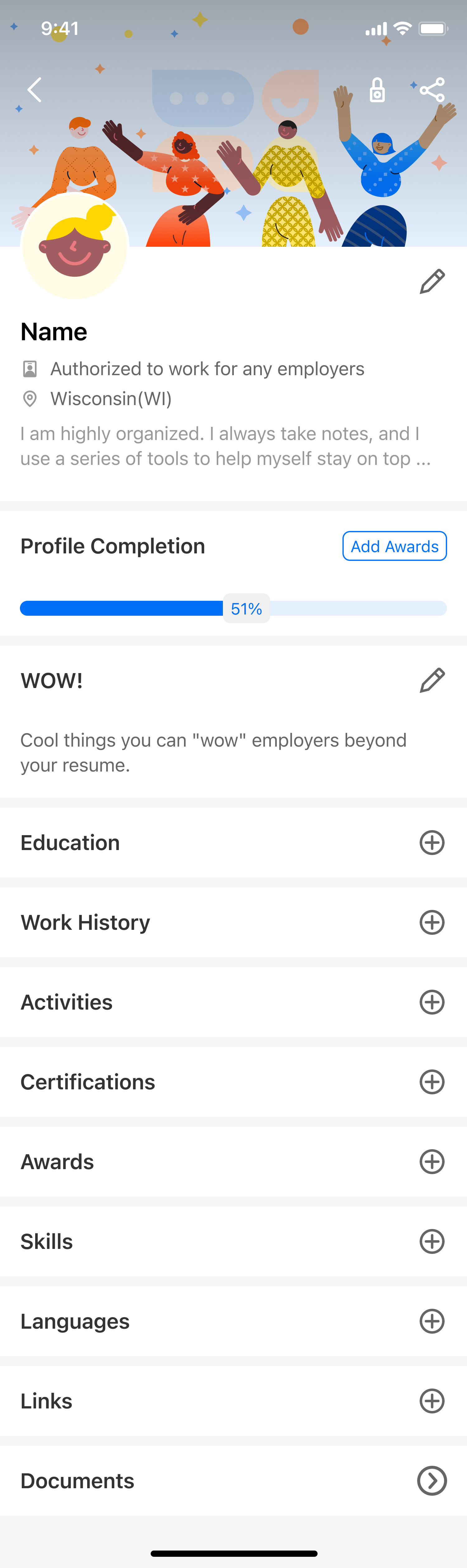
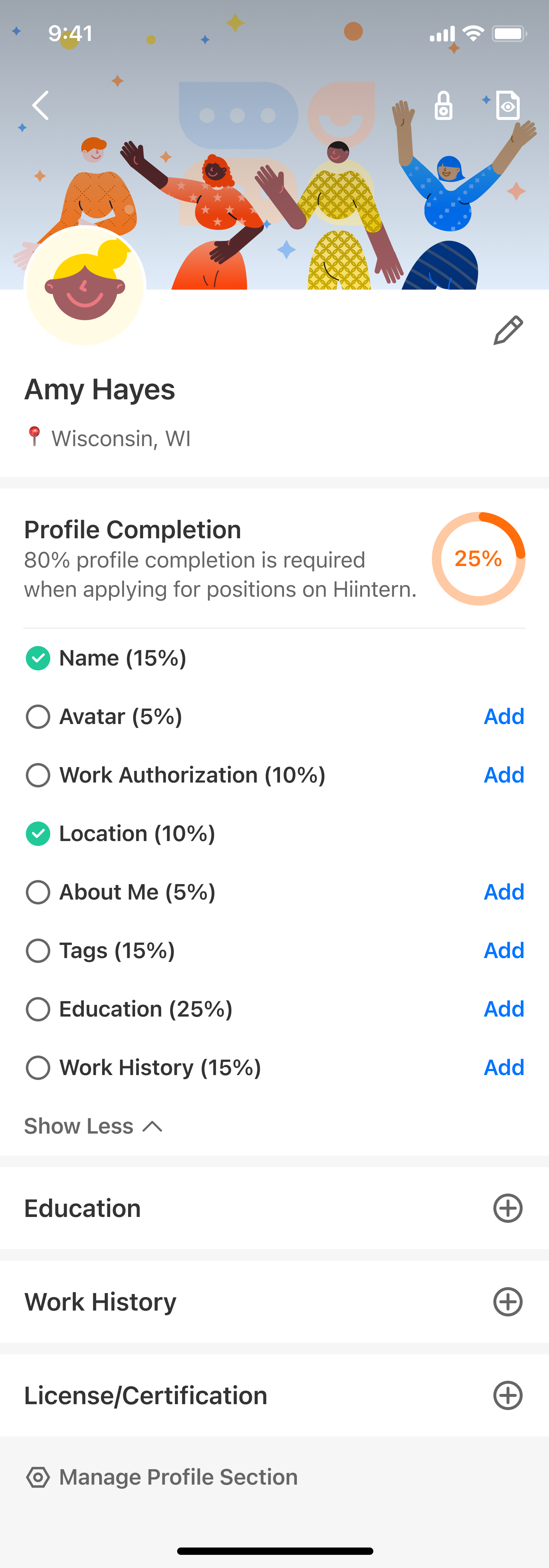
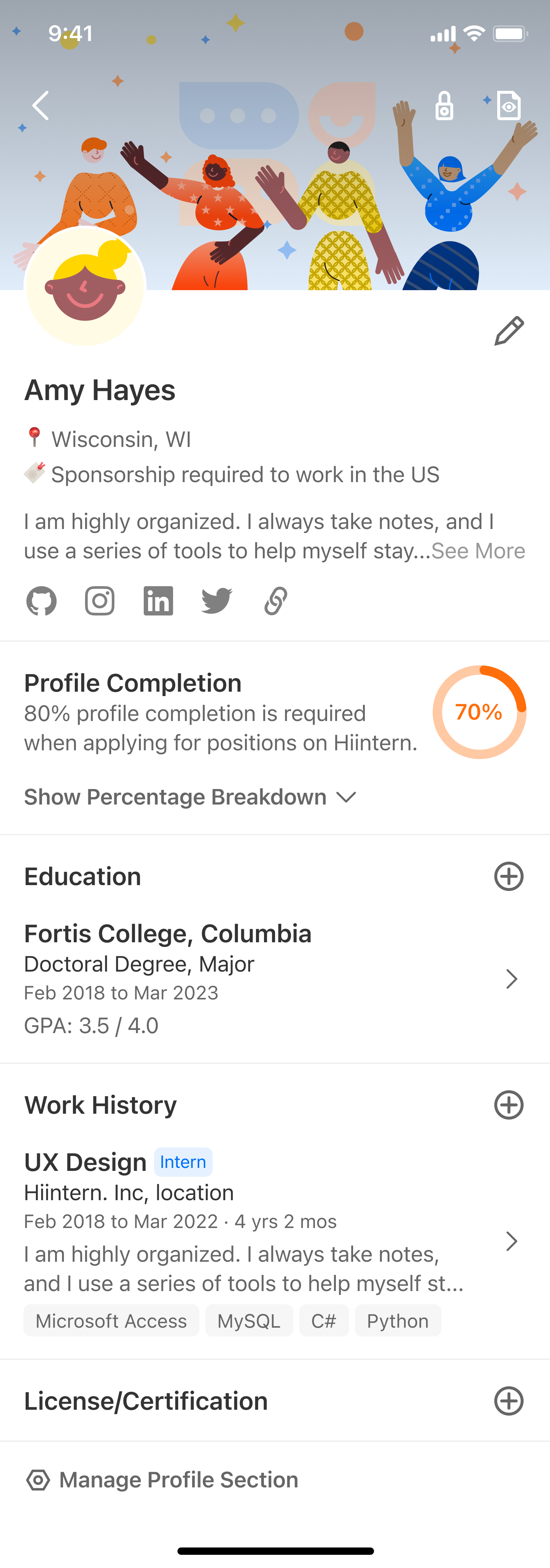
Students side - Profile

I conducted extensive research to support the restructuring of the content in version 1 of the profile. The aim was to make the profile sections more student-friendly and logically connected.

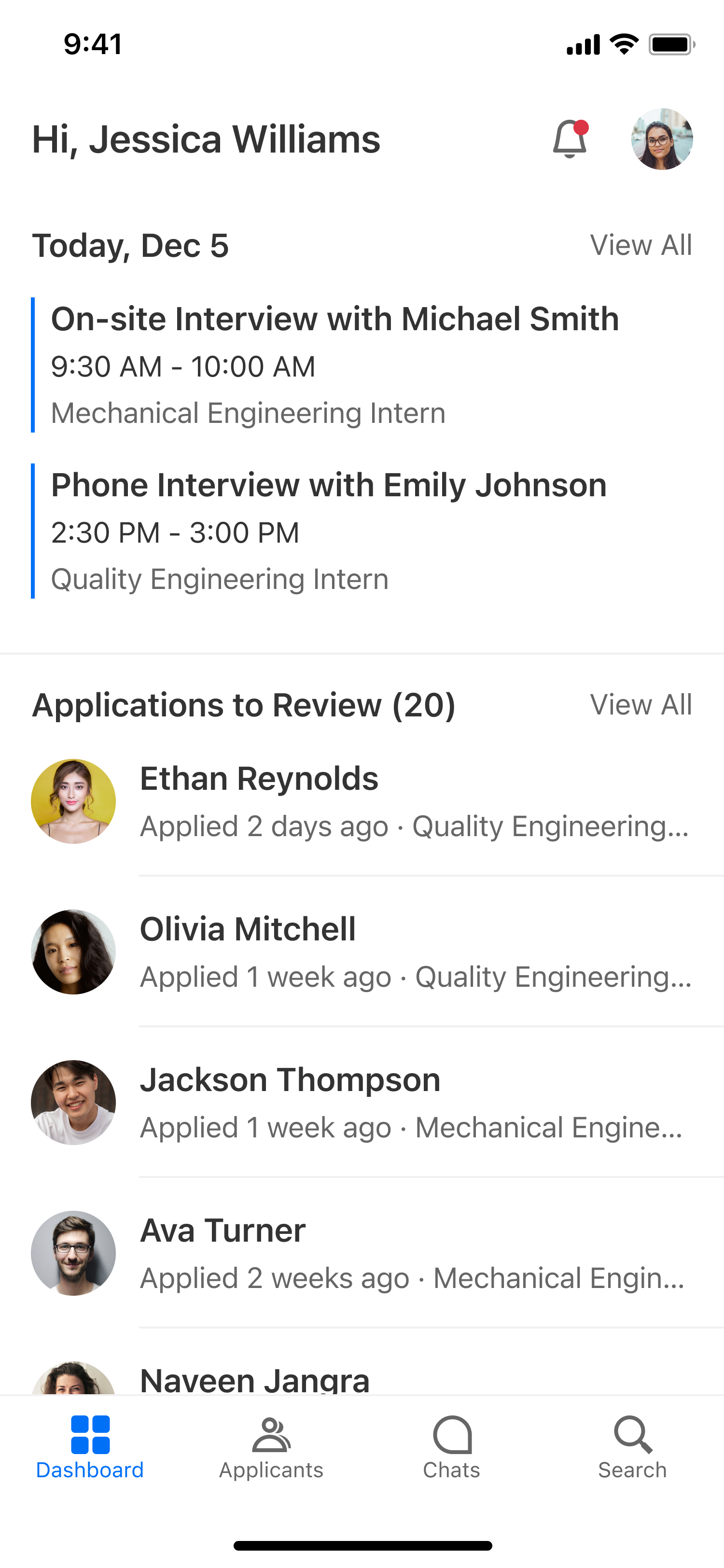
Employers side - Homepage

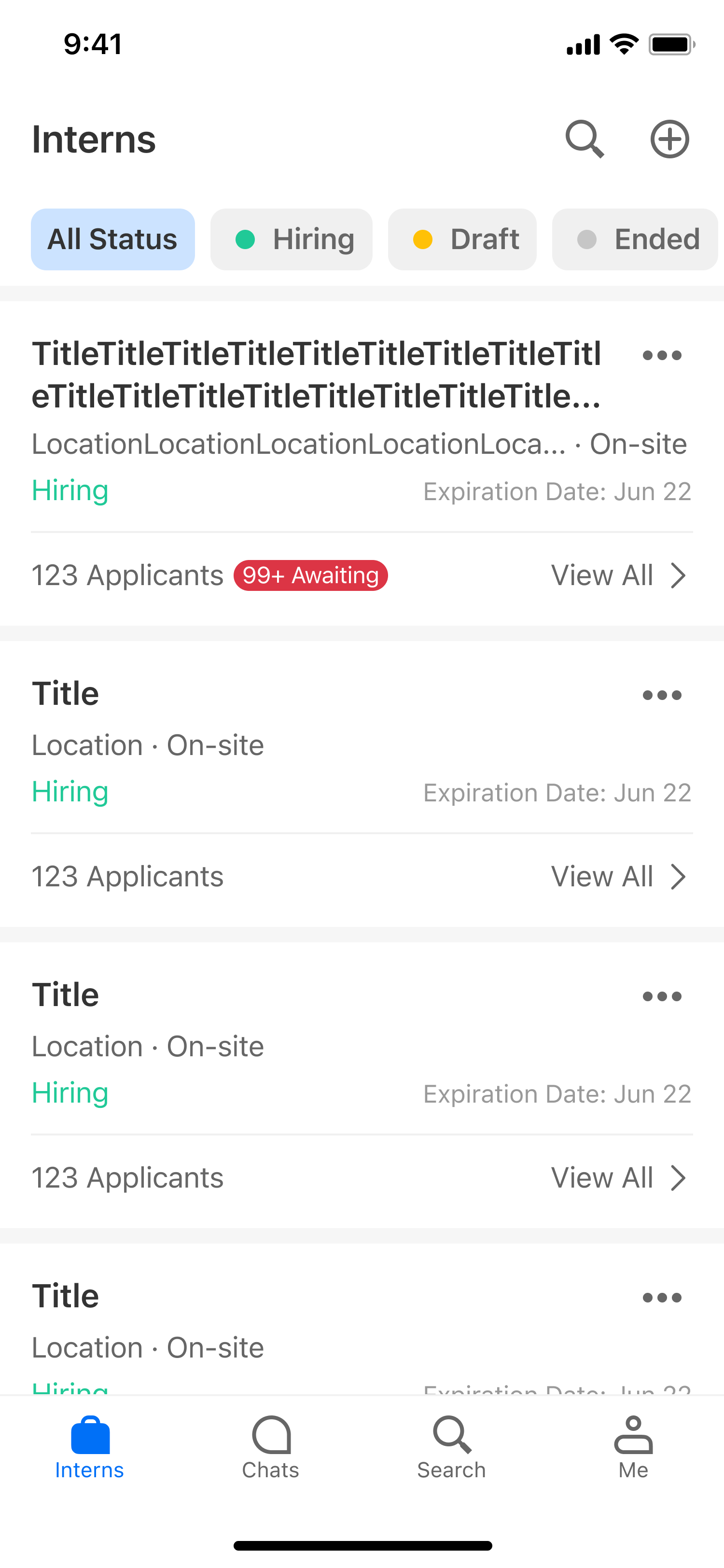
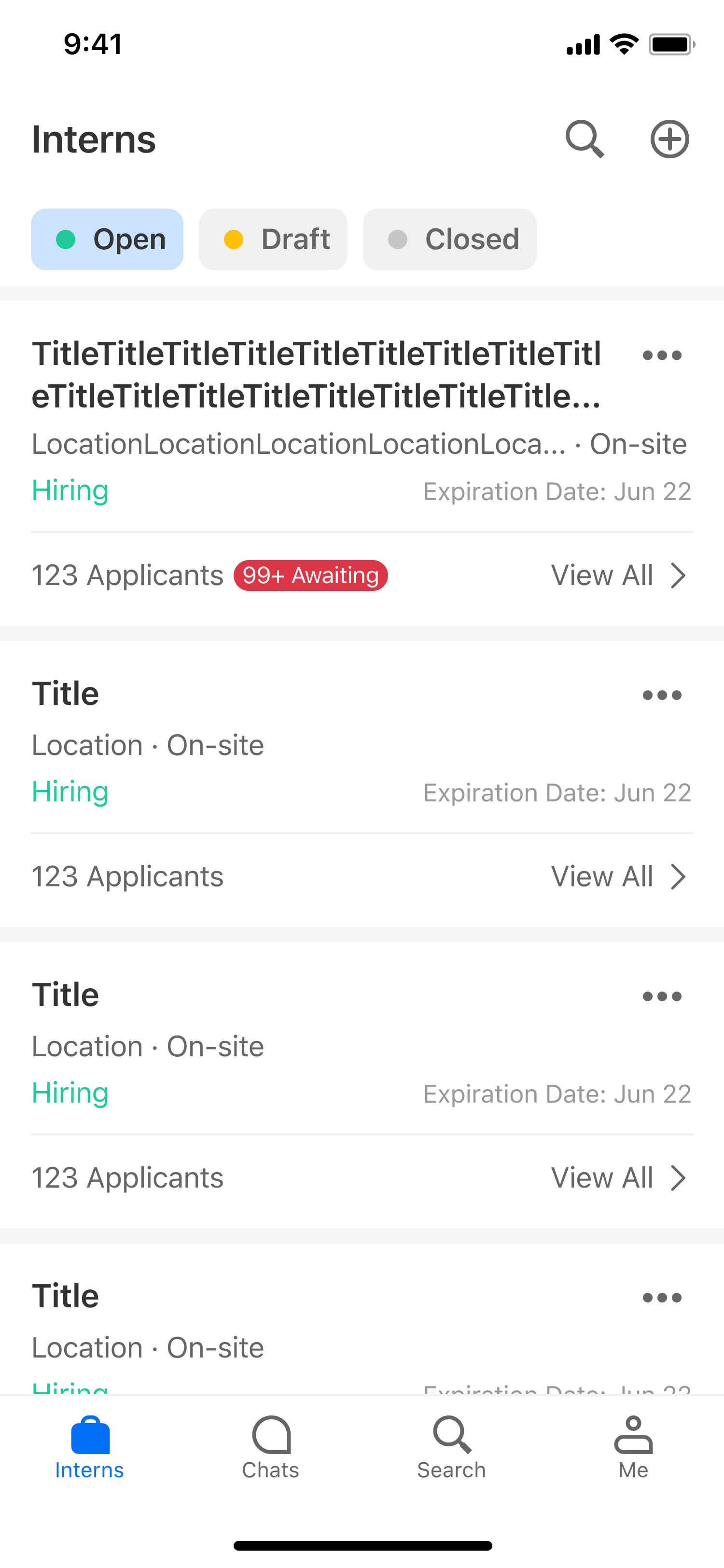
As you can see, there was a significant change on the employer side homepage, transitioning from the internship postings list to the dashboard. This change was prompted by the observation that during recruiting season, positions are typically planned and remain stable after creation. Therefore, checking to-dos is more frequent than posting or editing positions.

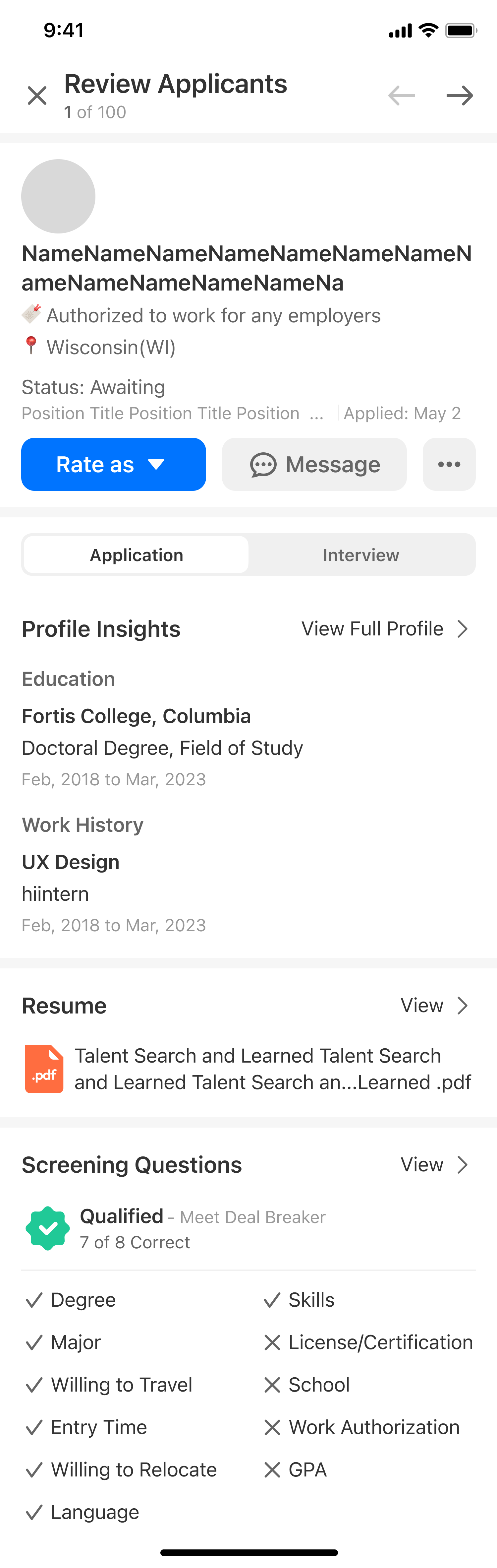
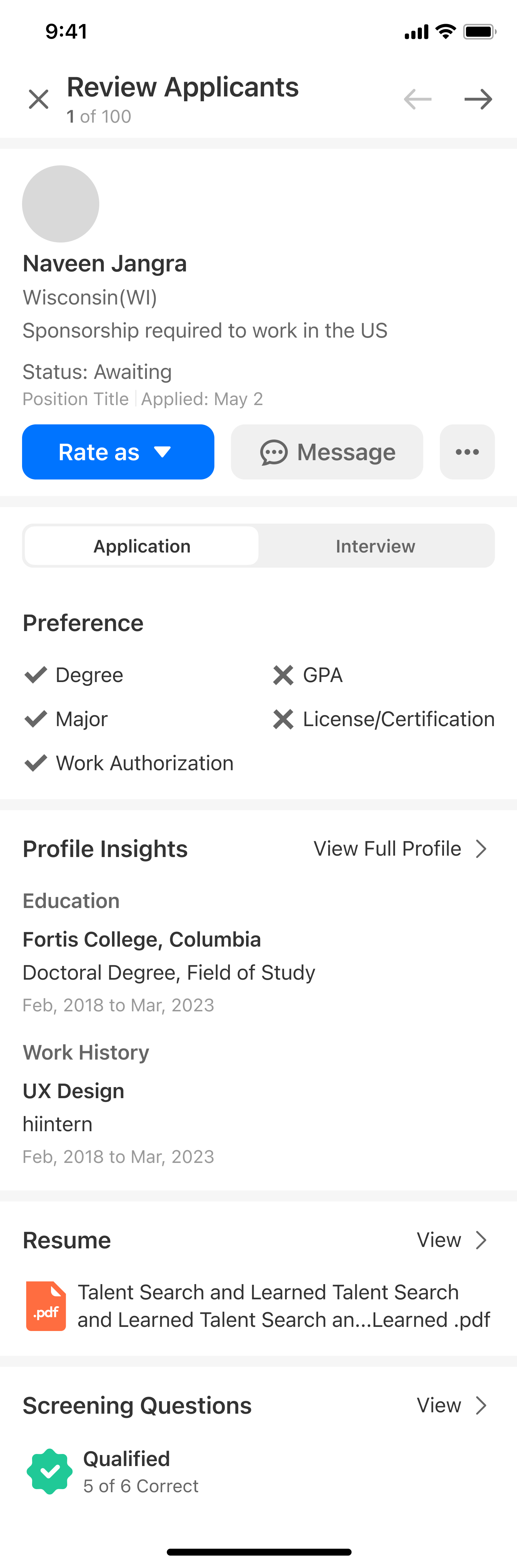
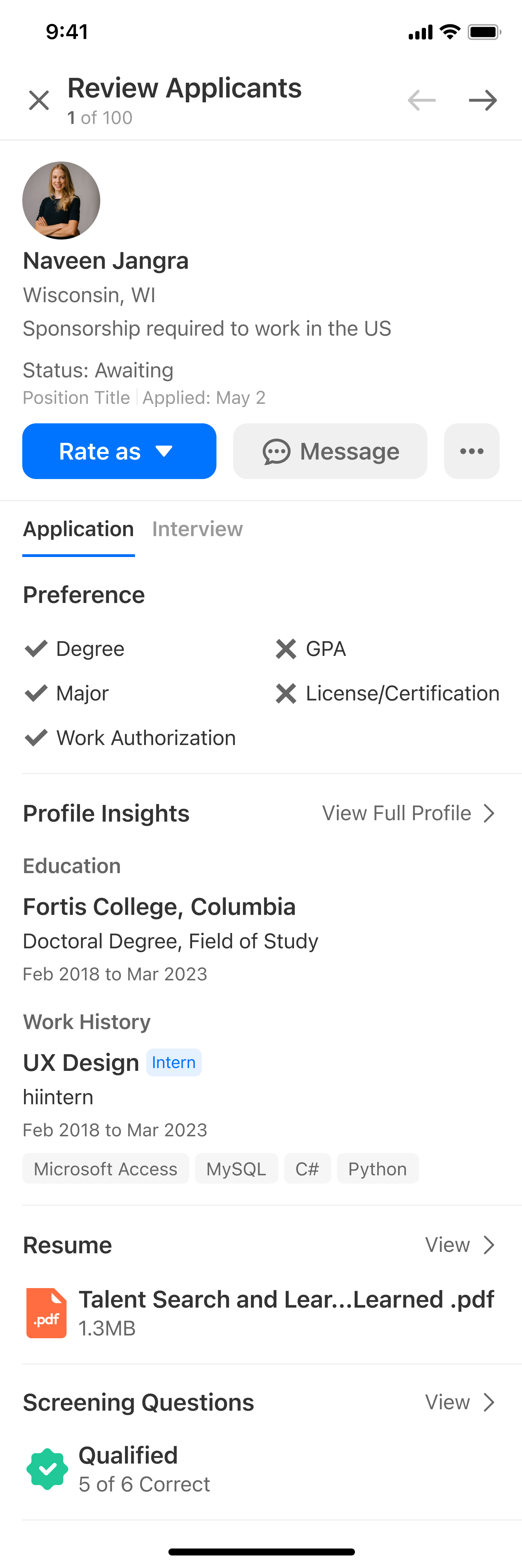
Employers side - Applicants

The employer side and the student side are dependent on each other most of the time. This page is particularly relevant to what students will submit when applying for a position.

I really learned a lot

Be grounded

Don’t be immersed in a fantasy world, you need to be down-to-earth when making products.

Be brave

Be brave enough to make changes when facing a crisis and take the initiative to contribute.

Be collaborative

Work closely with team members to enhance their confidence.